Blog

  • Binatone TV Master MK IV: A Simple Entry into Home Gaming

    Binatone TV Master MK IV: A Simple Entry into Home Gaming

    The Binatone TV Master MK IV was part of a series of early, affordable gaming systems that brought Pong-style games to home televisions. As one of the early consoles before the video game industry boom, it offered basic built-in games that provided endless fun for families.

    Hardware Specifications

    Processor: No CPU (discrete logic-based system using General Instrument AY-3-8500 chip)

    Graphics: Monochrome output with basic on-screen objects and paddles

    Memory: No RAM, games were built into the system

    Storage: No removable storage (built-in games only)

    Games: 6 built-in Pong variants, including Tennis, Football, Squash, and 2-player and 1-player wall games

    Controllers: Two built-in paddle controllers with rotary dials

    Connectivity: RF output to connect to a TV

    Original Release Date: 1977 (Original Design)

    Discontinued: Unknown

    Cost (New in 1977): £35

    Cost (In 2024 Price): £200

    Modifications I have performed

    Changed RF to composite video output, cleaned the inside and recapped.

    Added a modern regulated power supply.

    Cost to me for computer £10.00

    Cost to me for repairs and upgrades £6.50

    [ngg src=”galleries” ids=”7″ display=”basic_thumbnail” thumbnail_crop=”0″]
  • Nintendo 64: The Revolutionary Leap into 3D Gaming

    Nintendo 64: The Revolutionary Leap into 3D Gaming

    The Nintendo 64 (N64) was Nintendo’s first 3D-capable console, marking a pivotal moment in gaming history. With iconic titles like Super Mario 64, The Legend of Zelda: Ocarina of Time, and GoldenEye 007, the N64 became a beloved platform for both solo and multiplayer experiences.

    Hardware Specifications

    Processor: 93.75 MHz NEC VR4300 (64-bit CPU)

    Graphics: SGI RCP (Reality Co-Processor) capable of rendering 3D environments and textures, with support for anti-aliasing and real-time effects

    Memory: 4 MB of RAM (expandable to 8 MB with the Expansion Pak)

    Storage: Cartridges (ranging from 4 MB to 64 MB)

    Audio: 16-bit DAC stereo sound, with up to 100 audio channels

    Connectivity: Four controller ports for multiplayer gaming, memory card slot in the controller

    Video Output: Supports resolutions up to 480i with composite and RGB output options

    Original Release Date: 1st March 1997 (UK)

    Discontinued: 2002

    Cost (New in 1997): £250

    Cost (In 2024 Price): £470

    Modifications I have performed

    Console I purchased had no power supply or multi-av cable, so have 3rd party replacements

    Cost to me for computer £38.00

    Cost to me for repairs and upgrades £14.79

  • Atari 2600 (Light Sixer): The Console That Sparked the Home Gaming Revolution

    Atari 2600 (Light Sixer): The Console That Sparked the Home Gaming Revolution

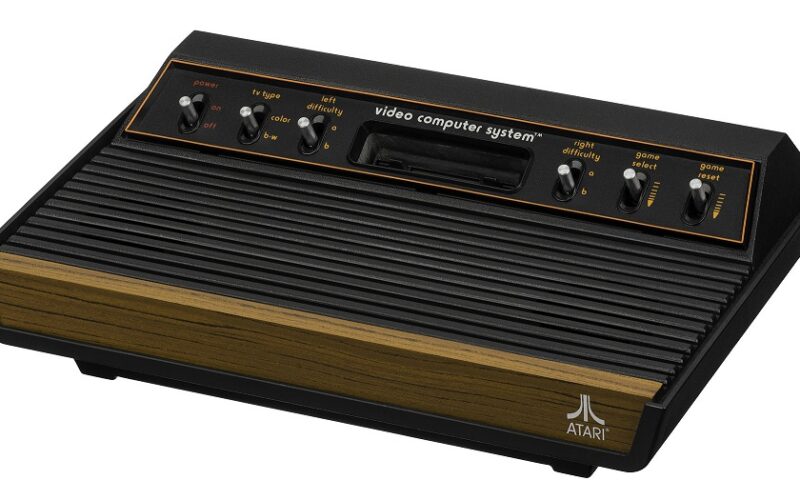
    The Atari 2600, had a few variations, this version is known as the Light Sixer due to its six front-facing switches and lighter casing, is one of the most iconic gaming systems of all time. With classic titles like Space Invaders, Pitfall!, and Adventure, it helped define the early days of home gaming and established Atari as a household name.

    Atari’s downfall was felt by the whole video game industry and resulted in the video game crash of 1983. Warner sold Atari’s home division to former Commodore CEO Jack Tramiel in 1984. The new Atari Corporation released a low-cost 2600 and the backwards compatible 7800 in 1986.

    Production of the 2600 stopped in 1992 with an estimated 30 million units sold since 1977.

    Hardware Specifications

    Processor: MOS Technology 6507 running at 1.19 MHz

    Graphics: 128 colors, with a maximum resolution of 160×192 pixels

    Memory: 128 bytes of RAM

    Storage: Cartridge-based games (up to 4 KB per game)

    Audio: 2-channel audio output via TIA (Television Interface Adapter)

    Connectivity: Two controller ports, RF output for connection to a television

    Video Output: Standard RF output (composite video modding options available)

    Original Release Date: 1977 (Original Design)

    Discontinued: 1st January 1992

    Cost (New in 1977): £199

    Cost (In 2024 Price): £1200

    Modifications I have performed

    Removed and replaced the UHF output, changed to composite video output, cleaned the inside and recapped.

    got a modern power supply.

    Cost to me for computer £49.99

    Cost to me for repairs and upgrades £30.00

  • Atari 7800: A Return to Form with Backward Compatibility

    Atari 7800: A Return to Form with Backward Compatibility

    The Atari was designed as a follow-up to the 2600 and the ill-fated Atari 5200. It offered backward compatibility with the 2600 library while delivering improved graphics and processing power for newer games. Though released in the shadow of the Nintendo Entertainment System, the Atari 7800 still made its mark with a small but quality game library including Asteroids, Robotron: 2084, and Pole Position II.

    Hardware Specifications

    Processor: Atari SALLY 6502 running at 1.79 MHz

    Graphics: MARIA graphics chip supporting 256 colors, with resolutions up to 320×240 pixels

    Memory: 4 KB of RAM

    Storage: Cartridge-based games (up to 128 KB per game)

    Audio: 2-channel audio via TIA chip (same as Atari 2600), with the ability to use POKEY sound chip for enhanced audio (though few games did)

    Connectivity: Two controller ports, backward compatibility with most Atari 2600 controllers and games

    Video Output: RF output (modding options for composite and S-video)

    Original Release : May 1986

    Discontinued: 1st January 1992

    Cost (New in 1987): £100

    Cost (In 2024 Price): £285

    Due to corrosion/rust damage I don’t think this one will be possible to repair, but I will keep it just in case.

    [ngg src=”galleries” ids=”11″ display=”basic_thumbnail” thumbnail_crop=”0″]
  • Apple iMac G3: The All-in-One That Changed Personal Computing

    Apple iMac G3: The All-in-One That Changed Personal Computing

    The Apple iMac G3 was a revolutionary all-in-one computer that helped Apple regain its footing in the tech industry. Known for its colorful, translucent casing and user-friendly design, the iMac G3 was a bold departure from traditional computers of the era. With its internet-ready features and innovative design, it became an iconic machine for both casual users and tech enthusiasts.

    Hardware Specifications

    Processor: PowerPC G3 running at 233 MHz (later models up to 700 MHz)

    Graphics: ATI Rage IIc with 2 MB of VRAM (later models with up to 16 MB VRAM)

    Memory: 32 MB of RAM (expandable to 128 MB, later models up to 1 GB)

    Storage: 4 GB IDE hard drive (later models with up to 60 GB)

    Display: 15-inch CRT display with a resolution of 1024×768 pixels

    Connectivity: Two USB 1.1 ports, 10/100Base-T Ethernet, and a 56k modem

    Optical Drive: 24x CD-ROM drive (later models included CD-RW and DVD-ROM options)

    Operating System: Mac OS 8.1 (upgradable to Mac OS X)

    Original Release Date: August 1998

    Discontinued: 2003

    Cost (New in 1998): £999

    Cost (In 2024 Price): £1850

    Modifications I have performed:

    None

    Cost to me for computer £0.00

    Have original keyboard and mouse for computer and also a Teac USB floppy drive and 4 port USB hub in same design as computer casing

    [ngg src=”galleries” ids=”12″ display=”basic_thumbnail” thumbnail_crop=”0″]
  • Nintendo Game Boy: The Handheld That Defined Portable Gaming

    Nintendo Game Boy: The Handheld That Defined Portable Gaming

    The Nintendo Game Boy revolutionized the handheld gaming market, providing a portable gaming experience unlike anything before it. With an iconic library of games like Tetris, Super Mario Land, and Pokémon Red & Blue, the Game Boy became a household name and solidified Nintendo’s dominance in the portable gaming world.

    Despite being technologically inferior to it’s competitors (Sega Game Gear, Atari Lynx) it received praise for it’s battery life and durability and outsold it’s competition, selling one million units in the USA in a few weeks.

    Hardware Specifications

    Processor: Custom Sharp LR35902 (similar to Z80) running at 4.19 MHz

    Graphics: 2.45-inch STN LCD display with a resolution of 160×144 pixels, 4 shades of gray-green

    Memory: 8 KB of RAM, 8 KB of VRAM

    Storage: Cartridge-based games (up to 8 MB)

    Audio: 4-channel stereo sound

    Power Supply: 4 AA batteries (providing 10-15 hours of gameplay)

    Connectivity: Link cable support for multiplayer gaming

    Dimensions: 90 mm x 148 mm x 32 mm

    Original Release Date: 21st April 1989 (28th Sept 1990 in UK)

    Discontinued: 23rd March 2003

    Cost (New in 1990): £69.99

    Cost (In 2024 Price): £160

    Modifications I have performed:

    None

    Cost to me for computer £50.00

    Cost to me for repairs and upgrades £0.00

    [ngg src=”galleries” ids=”13″ display=”basic_thumbnail” thumbnail_crop=”0″]
  • Apple XServe: Apple’s Enterprise-Grade Server Solution

    Apple XServe: Apple’s Enterprise-Grade Server Solution

    The Apple XServe was Apple’s first 1U rack-mounted server designed for professional use in data centers and businesses. It offered powerful performance for tasks like web hosting, file serving, and computational workloads, and it integrated seamlessly with Apple’s Mac ecosystem, making it a strong contender in enterprise environments.

    Hardware Specifications

    Processor: Dual 1 GHz PowerPC G4 processors (later models featured G5 and Intel Xeon processors)

    Memory: 256 MB of DDR SDRAM (expandable to 2 GB, later models up to 32 GB)

    Storage: Three drive bays supporting up to 3 ATA drives (480 GB max, later models supported 3 TB or more)

    Graphics: ATI Rage 128 Pro with 16 MB of VRAM (later models included better options for limited graphical output)

    Connectivity: Dual Gigabit Ethernet, two FireWire 800 ports, two USB 2.0 ports

    Expansion: PCI-X slot (later models supported PCI Express)

    Power Supply: 400W power supply

    Operating System: Mac OS X Server

    Original Release Date: 2002

    Discontinued: November 2006

    Cost (New in 2002): £3499

    Cost (In 2024 Price): £6350

    Modifications I Have Made:

    Fitted 2 500GB hard drives

    Installed Mac OS X Server 10.4.7 (Tiger)

    Cost to me for computer £0.00

    Cost to me for repairs and upgrades £0.00

    [ngg src=”galleries” ids=”14″ display=”basic_thumbnail” thumbnail_crop=”0″]
  • Microsoft Xbox: The Start of a New Gaming Era

    Microsoft Xbox: The Start of a New Gaming Era

    The original Microsoft Xbox marked the tech giant’s entry into the gaming console market. With its powerful hardware and innovative features like a built-in hard drive and online multiplayer through Xbox Live, the Xbox laid the foundation for Microsoft’s future dominance in gaming. Blockbuster titles like Halo: Combat Evolved, Fable, and Forza Motorsport helped the console build a loyal fanbase.

    Hardware Specifications

    Processor: 733 MHz Intel Pentium III (custom)

    Graphics: 233 MHz NVIDIA NV2A GPU, capable of 480p and 720p resolution

    Memory: 64 MB of DDR SDRAM

    Storage: 8 or 10 GB internal hard drive Optical Drive: 2-5x DVD-ROM drive

    Audio: 64 3D sound channels with Dolby Digital 5.1 surround sound

    Connectivity: Four controller ports, Ethernet port for online play via Xbox Live

    Video Output: Composite, S-video, and component (supporting up to 1080i for some titles) Original Release Date: 14th March 2002 Discontinued: 11th March 2007 Cost (New in 2002): £299 Cost (In 2024 Price): £520 Modifications I have performed: None Cost to me for computer £0.00 Cost to me for repairs and upgrades £15.00  
  • Commodore VIC-20: The Affordable Home Computer for the Masses

    Commodore VIC-20: The Affordable Home Computer for the Masses

    The Commodore VIC-20 was a popular and affordable home computer aimed at casual users and gamers. Known for its vibrant color display and affordability, the VIC-20 was the first computer to sell over one million units, paving the way for personal computing in the early 1980s. It featured a solid library of games and educational software, making it a household name before the Commodore 64 took over.

    Hardware Specifications

    Processor: MOS Technology 6502 running at 1.1 MHz

    Graphics: VIC (Video Interface Chip) capable of displaying 16 colors with a resolution of 176×184 pixels

    Memory: 5 KB of RAM (expandable up to 32 KB with external modules)

    Storage: Cassette tapes and cartridges (up to 16 KB per cartridge)

    Audio: 3-voice programmable sound generator, single noise channel

    Connectivity: User port, cassette port, expansion port for RAM and cartridge games, serial port for printers and disk drives, two joystick ports

    Video Output: RF and composite video for connection to a TV or monitor

    Original Release Date: 1981

    Discontinued: January 1985

    Cost (New in 1981): £199

    Cost (In 2024 Price): £800

    Modifications I have performed:

    None

     
    Cost to me for computer £100.00

    Cost to me for repairs and upgrades £0.00

    [ngg src=”galleries” ids=”15″ display=”basic_thumbnail” thumbnail_crop=”0″]
  • Sinclair ZX Spectrum+: The Enhanced Version of a British Icon

    Sinclair ZX Spectrum+: The Enhanced Version of a British Icon

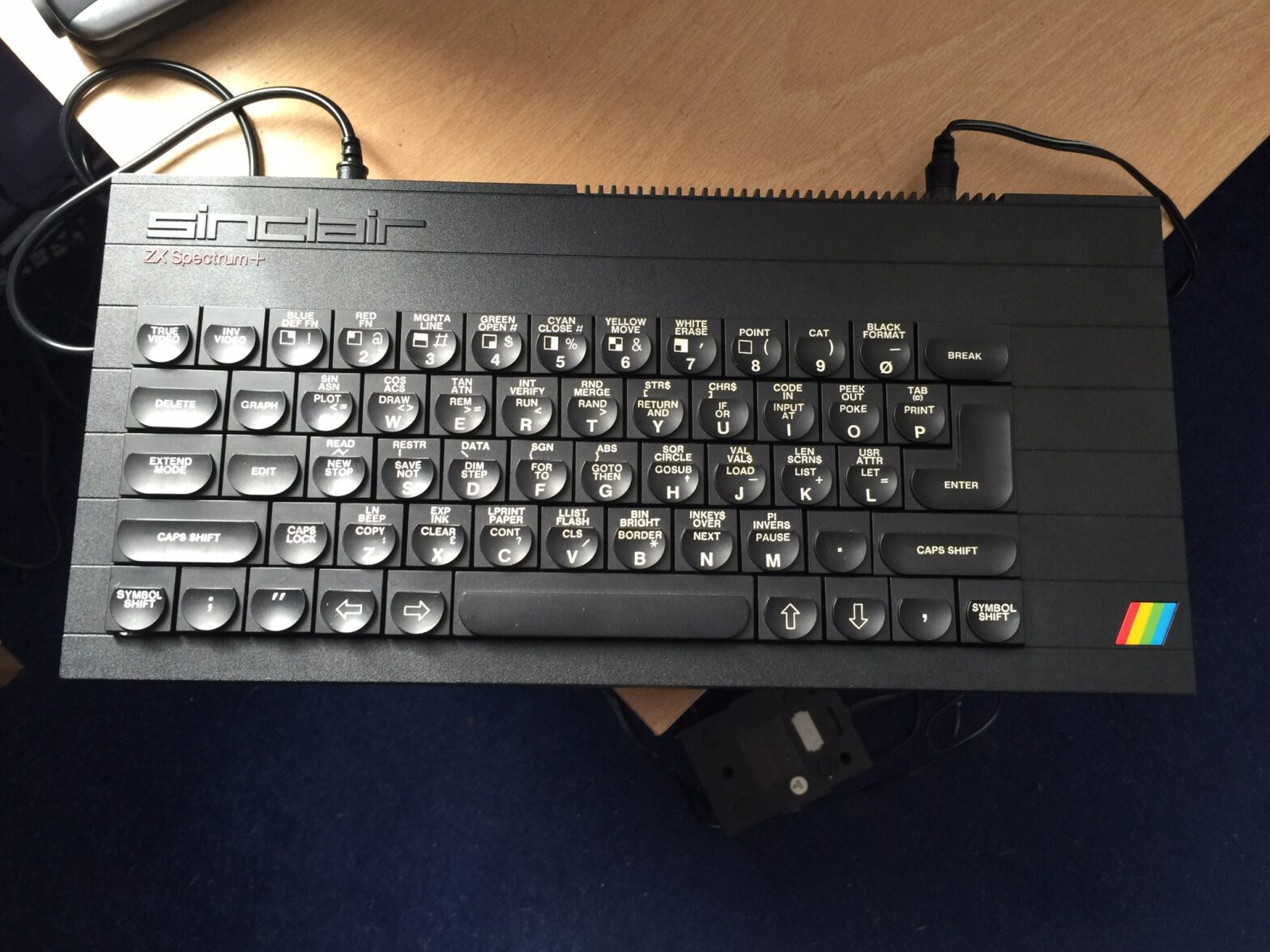
    The Sinclair ZX Spectrum+ was an upgraded version of the hugely popular ZX Spectrum, featuring a full-size keyboard for improved usability. This model retained the same internal hardware as the original 48K Spectrum but offered a more professional design, appealing to both home users and programmers. Its large library of games, alongside its educational software, made it a staple of British computing in the 1980s.

    Hardware Specifications

    Processor: Zilog Z80A running at 3.5 MHz

    Graphics: 256×192 pixel resolution with 15 colors (via dithering techniques)

    Memory: 48 KB of RAM

    Storage: Cassette tapes for software loading (up to 1000 baud transfer speed)

    Audio: Single-channel beeper sound, capable of basic tones and sound effects

    Connectivity: Expansion port for peripherals, cassette input/output, and RF video output for connection to a TV

    Keyboard: Full plastic keyboard with 58 keys, an improvement over the rubber keys of the original model

    Original Release Date: October 1984

    Discontinued: 1992

    Cost (New in 1984): £179.95

    Cost (In 2024 Price): £600

    Modifications I have performed:

    Removed the original UHF output and replaced it with a composite output.

    Replaced keyboard membrane, as it was faulty when I purchased the computer.

    Added divMMC Future that allows software to be loaded via SD Card connected to adaptor plugged into the Expansion port.

    Replaced power supply with a modern one with a more stable voltage output.

    Cost to me for computer £25.00

    Cost to me for repairs and upgrades £89.97

    [ngg src=”galleries” ids=”16″ display=”basic_thumbnail” thumbnail_crop=”0″]