Blog

  • Nintendo DS: Dual-Screen Innovation That Changed Handheld Gaming

    Nintendo DS: Dual-Screen Innovation That Changed Handheld Gaming

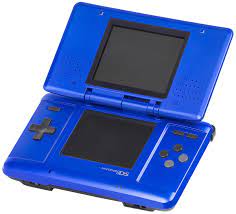
    The original Nintendo DS introduced a revolutionary dual-screen design, with the bottom screen featuring touch functionality. The DS became a landmark console in handheld gaming, pushing boundaries with its innovative controls, built-in Wi-Fi for multiplayer gaming, and a vast library of titles like Pokémon Diamond/Pearl, Nintendogs, and Brain Age. Its blend of casual and core gaming experiences cemented its place as one of the best-selling consoles of all time.

    Hardware Specifications

    Processor: Dual ARM processors (ARM946E-S at 67 MHz and ARM7TDMI at 33 MHz)

    Graphics: Two LCD screens, both 256×192 pixel resolution (one being touch-sensitive)

    Memory: 4 MB of RAM

    Storage: Cartridge-based (proprietary DS game cards) and backward compatibility with Game Boy Advance cartridges

    Audio: Stereo sound, built-in microphone, and a headphone jack

    Battery: Rechargeable lithium-ion battery with 6–10 hours of battery life

    Dimensions: 148.7 x 84.7 x 28.9 mm, weighing 275g

    Connectivity: Local wireless multiplayer with built-in Wi-Fi support for online multiplayer

    Original Release Date: 11th March 2005

    Discontinued: 2013

    Cost (New in 2005): £99.99

    Cost (In 2024 Price): £170.00

    Modifications I have performed:

    None

    Cost to me for computer £0.00

    Cost to me for repairs and upgrades £0.00
  • Philips CD-i: The Multimedia Console That Was Ahead of Its Time

    Philips CD-i: The Multimedia Console That Was Ahead of Its Time

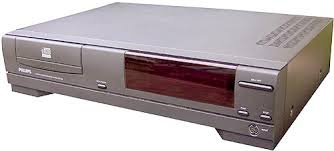
    The Philips CD-i (Compact Disc Interactive) was an ambitious attempt to blend gaming with multimedia entertainment. Marketed as a “multimedia” device rather than just a gaming console, it offered interactive education, films, and games on CD format. While it didn’t achieve widespread success in the gaming market, the CD-i was notable for its use of early CD technology and its range of titles, including The 7th Guest and the infamous Zelda and Mario games produced under license from Nintendo.

    Hardware Specifications

    Processor: 16-bit Motorola 68070 running at 15.5 MHz

    Graphics: Custom chip supporting 16.7 million colors, capable of resolutions up to 384×280 pixels

    Memory: 1 MB of RAM, with 8 KB of NVRAM for save data

    Storage: CD-ROM drive (1x speed), supporting interactive CDs with video, audio, and software content

    Audio: 16-bit stereo sound with full CD-quality audio

    Controllers: Standard game controller, optional mouse, trackball, or remote control for multimedia use

    Connectivity: Composite video, S-Video, and RF outputs, plus a keyboard and modem for added multimedia use

    Original Release Date: 1992

    Discontinued: January 1998

    Cost (New in 1992): £700 (Without Video Cartridge Add-on)

    Cost (New in 1992): £900 (With Video Cartridge Add-on)

    Cost (In 2024 Price): £1500 (Without Video Cartridge Add-on)

    Cost (In 2024 Price): £2118.50 (With Video Cartridge Add-on)

    Modifications I have performed:

    Have replaced the drive belt for the CD tray open/close motor and greased the tray to allow easier movement on open/close action.

    Cost to me for computer £499.99

    Cost to me for repairs and upgrades £5.00

    [ngg src=”galleries” ids=”19″ display=”basic_thumbnail” thumbnail_crop=”0″]
  • C64 Mini: A Retro Revival of the 80s Classic

    C64 Mini: A Retro Revival of the 80s Classic

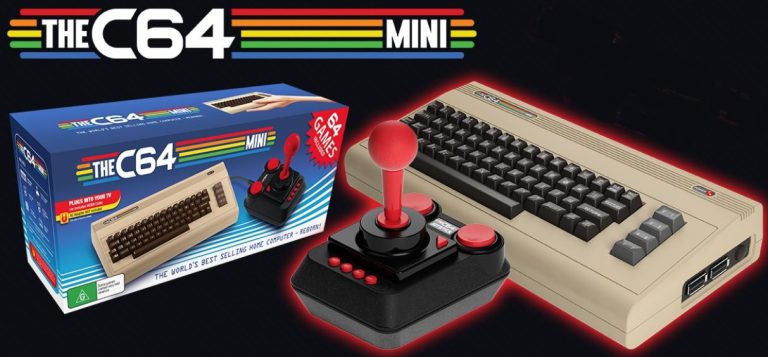
    I know strictly this is not old or collectable, but it does fit in the retro theme of this site, so that is what I am sticking with. The C64 Mini is a modern, compact reimagining of the legendary Commodore 64, one of the best-selling home computers of all time. The C64 Mini brings the iconic 80s computing experience to a new generation, complete with 64 built-in classic games, HDMI output for modern TVs, and a USB port for adding your own games or even programming in BASIC.

    Hardware Specifications

    Processor: Allwinner A20 dual-core ARM Cortex-A7

    Graphics: Mali-400 MP2 GPU, capable of 720p HD output via HDMI

    Memory: 256 MB of DDR3 RAM

    Storage: Flash memory with 64 built-in classic games

    Audio: Emulated SID chip (6581/8580), stereo output

    Connectivity: HDMI output for 720p video, two USB ports (for joysticks, keyboards, or other accessories)

    Controller: Classic-style joystick included (USB), compatible with additional USB keyboards for BASIC programming

    Games Included

    Some of the most iconic titles built into the C64 Mini include:

    • California Games
    • Impossible Mission
    • Paradroid
    • Speedball 2: Brutal Deluxe
    • Boulder Dash
    • Jumpman

    Original Release Date: March 2018

    Discontinued: 2020

    Cost (New in 2018): £69.99

    Cost (In 2024 Price): £80

    Modifications I Have Made:

    None

    Cost to me for computer £52.99

    Cost to me for repairs and upgrades £0.00
  • Acorn BBC Model B: The Computer That Educated a Generation

    Acorn BBC Model B: The Computer That Educated a Generation

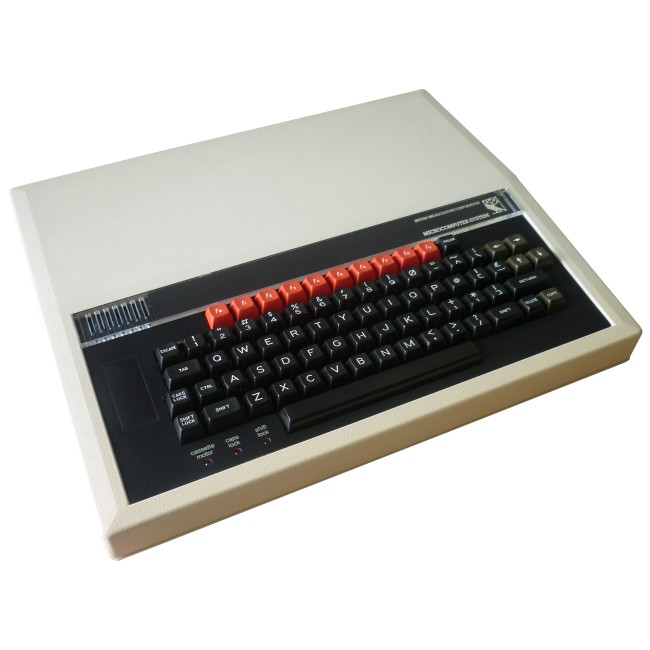
    the Acorn BBC Micro Model B was a landmark home computer, developed as part of the BBC’s Computer Literacy Project. It became synonymous with education throughout the 1980s and 1990s, thanks to its wide adoption in schools across the UK. The Model B, the more advanced of the BBC Micro range, featured better memory and expandability compared to the Model A, making it ideal for programming, gaming, and educational software.

    Hardware Specifications

    Processor: 8-bit MOS Technology 6502A running at 2 MHz

    Graphics: Text display up to 80 characters wide; graphics up to 640×256 pixels with 8 colors

    Memory: 32 KB of RAM

    Storage: Cassette tape interface, optional floppy disk drive via expansion

    Audio: 4-channel sound with built-in speaker

    Operating System: Acorn MOS (Machine Operating System) with BBC BASIC programming language

    Connectivity: User port, printer port, RS423 serial interface, and expansion slots for peripherals, and Econet networking support for school

    Original Release Date: 1st December 1981

    Discontinued: 1994

    Cost (New in 1981): £399

    Cost (In 2024 Price): £1450

    Modifications I have performed:

    Modified the Monochrome composite display connector to allow colour output.

    Removed original Power Supply and replaced with modern version.

    Have fitted the RetroClinic DataCentre (pictures in gallery)

    Raspberry Pi Zero Co-Processor (not working as I don’t have a ROM with the TUBE code on it fitted in the system yet)

    RetroClinic repaired my BBC when it stopped working, there was a broken trace on the motherboard on the CPU reset line.

    Other Modifications: Factory Disc Filing System ROM Chip (DFS) has been replaced by Super LVL DOS 1.00 by Computer Village Ltd

    Using RGB Monitor port to Scart cable for better colour picture quality than composite video.

    Cost to me for computer £0.00

    Cost to me for repairs and upgrades £220.34

    [ngg src=”galleries” ids=”20″ display=”basic_thumbnail” thumbnail_crop=”0″]
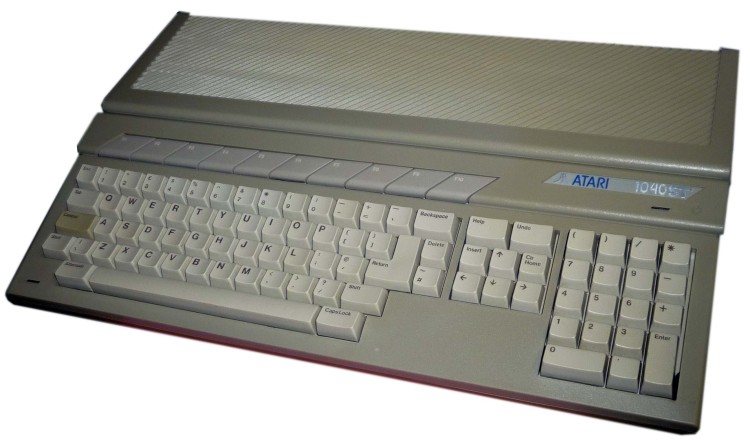
  • Atari ST 1040 STF: A Powerhouse of Home Computing

    Atari ST 1040 STF: A Powerhouse of Home Computing

    The Atari 1040 STF was part of Atari’s ST series of personal computers, known for its powerful hardware at a relatively affordable price. The 1040 STF stood out as the first personal computer to offer 1 MB of RAM as standard, a ground breaking amount for its time. Aimed at both home users and professionals, the 1040 STF became popular for gaming, music production (thanks to its built-in MIDI ports), and general computing tasks.

    Hardware Specifications

    Processor: 16/32-bit Motorola 68000 running at 8 MHz

    Memory: 1 MB of RAM (expandable)

    Graphics: Three display modes:

    Low resolution: 320×200 pixels, 16 colors

    Medium resolution: 640×200 pixels, 4 colors

    High resolution: 640×400 pixels, monochrome

    Storage: Built-in 3.5-inch floppy disk drive (720 KB)

    Audio: Yamaha YM2149 sound chip with 3-channel sound, plus built-in MIDI ports for music production

    Operating System: TOS (The Operating System), with GEM (Graphical Environment Manager) desktop interface

    Connectivity: Parallel and serial ports, MIDI In/Out, floppy disk drive port, and expansion port for peripherals

    Original Release Date: June 1986

    Discontinued: 1993

    Cost (New in 1986): £699

    Cost (In 2024 Price): £2150

    Modifications I have performed:

    None, this system has been fully refurbished by the person I purchased it from

    Cost to me for computer £162.89

    Cost to me for repairs and upgrades £0.00
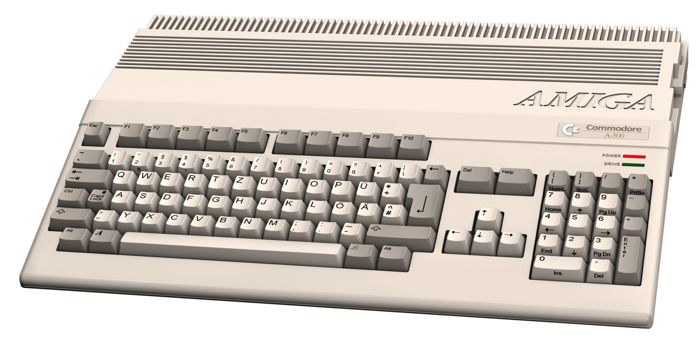
  • Commodore Amiga A500: The Home Computer That Defined Multimedia

    Commodore Amiga A500: The Home Computer That Defined Multimedia

    the Commodore Amiga A500 became one of the most iconic home computers of the late 80s and early 90s. Renowned for its powerful graphics, sound capabilities, and multitasking OS, the A500 found success with gamers, artists, and home users alike. It was particularly popular for gaming, with titles like The Secret of Monkey Island, Lemmings, and Shadow of the Beast showcasing the machine’s capabilities.

    Hardware Specifications

    Processor: 16/32-bit Motorola 68000 running at 7.16 MHz

    Memory: 512 KB of RAM (expandable to 9 MB)

    Graphics: Advanced custom chipset supporting up to 4096 colors and multiple resolutions:

    Low resolution: 320×256 pixels

    High resolution: 640×256 pixels (up to 4096 colors in HAM mode)

    Audio: 4-channel stereo sound (Paula sound chip)

    Storage: Built-in 880 KB 3.5-inch floppy disk drive, with support for external drives

    Operating System: AmigaOS, a multitasking operating system with a graphical user interface (Workbench)

    Connectivity: Parallel and serial ports, mouse/joystick ports, expansion port for additional peripherals

    Original Release Date: 1987

    Discontinued: 1991

    Cost (New in 1987): £499

    Cost (In 2024 Price): £1550

    Modifications I have performed:

    General clean inside

    Replaced power supply with modern switch mode power supply

    Replaced RTC battery on 512k RAM expansion

    Fitted a RGB to HDMI converter

    Fitted a Gotek drive as external drive

    Replaced yellowed and broken case

    Replaced broken key “plunger”

    Replaced broken keyboard membrane

    Cost to me for computer £50.00

    Cost to me for repairs and upgrades £222.58

    [ngg src=”galleries” ids=”21″ display=”basic_thumbnail” thumbnail_crop=”0″]
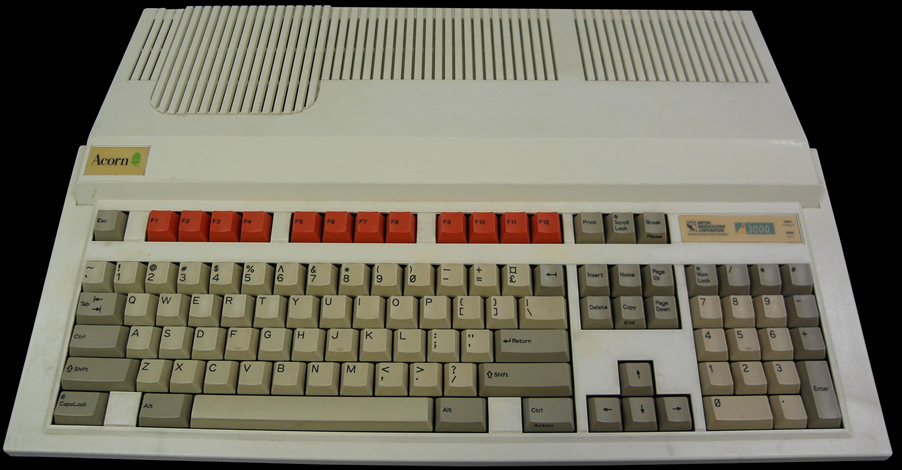
  • Acorn Archimedes A3000: The Schoolroom Legend of British Computing

    Acorn Archimedes A3000: The Schoolroom Legend of British Computing

    The Acorn Archimedes A3000 was part of Acorn’s ground breaking Archimedes line, known for introducing the RISC (Reduced Instruction Set Computing) architecture, which Acorn pioneered. The A3000 was designed as an affordable all-in-one unit aimed at schools and home users, combining powerful performance with the simplicity of a single-box system. It became a familiar sight in UK classrooms, widely used for education, programming, and gaming.

    Hardware Specifications

    Processor: ARM2 32-bit RISC CPU running at 8 MHz

    Memory: 1 MB of RAM (expandable to 4 MB)

    Graphics: Multiple display modes:

    Low resolution: 640×256 pixels, 256 colors

    High resolution: 640×512 pixels, 16 colors

    Storage: Built-in 3.5-inch floppy disk drive (800 KB), with external expansion options

    Operating System: RISC OS 2, a graphical user interface with multitasking capabilities

    Audio: 8-channel stereo sound with built-in speaker

    Connectivity: Expansion slots, printer port, serial port, and Econet networking support for school networks

    Original Release Date: May 1989

    Discontinued: Mid 1990s

    Cost (New in 1989): £649

    Cost (In 2024 Price): £1680

    Modifications I have performed:

    Removed and replaced CMOS chip and battery with RTC Podule

    General clean

    Replaced power supply

    RGB to Scart cable for colour TV output

    Changed ROM chips to upgrade RISC OS from 2.00 to 3.11

    SmallyMouse2 Acorn to USB mouse adapter

    Fitted ZIDEFS Compact Flash “Hard Drive”

    Replaced all three internal timing crystals

    Replaced all Zero Ohm links for mouse port

    Replaced floppy drive with a Gotek drive

    Cost to me for computer £0.00

    Cost to me for repairs and upgrades £411.66

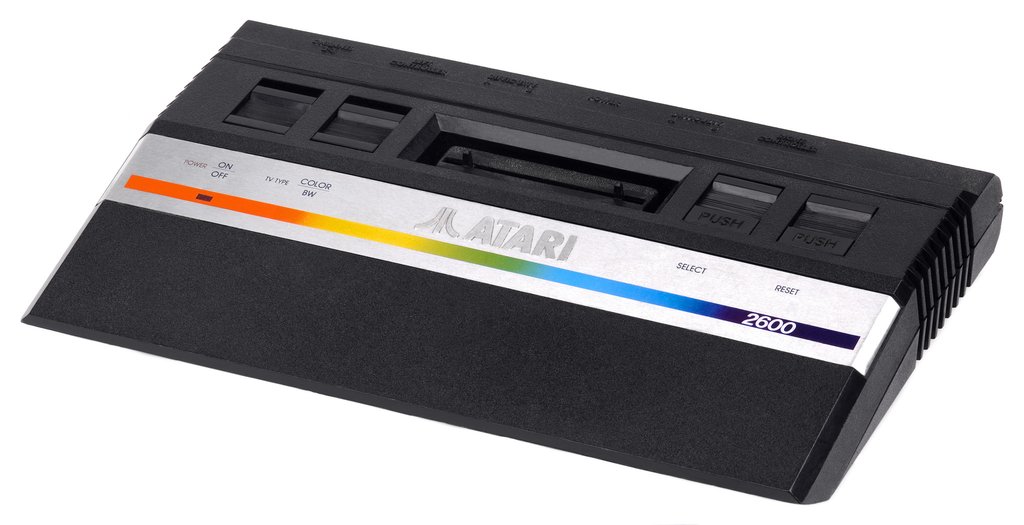
  • Atari 2600 Jr: A Slimmed-Down Classic

    Atari 2600 Jr: A Slimmed-Down Classic

    the Atari 2600 Jr. was a redesign of the legendary Atari 2600, originally released in 1977. The Jr. was aimed at revitalizing the 2600 line in a more compact and affordable form as the gaming industry shifted toward newer consoles like the Nintendo Entertainment System. While smaller in size, the 2600 Jr. maintained compatibility with the extensive library of Atari 2600 games, offering a budget-friendly option for gamers who still loved the retro classics.

    Hardware Specifications

    Processor: 8-bit MOS Technology 6507 running at 1.19 MHz

    Graphics: Custom Television Interface Adapter (TIA), supporting 128×192 resolution with 128 colors

    Memory: 128 bytes of RAM

    Storage: ROM-based game cartridges

    Audio: Mono sound via the TIA chip, with simple sound effects

    Controllers: Joystick ports compatible with original Atari 2600 controllers, paddles, and keyboards

    Connectivity: RF output for connection to standard TVs

    Original Release Date: 1978 (Original Design)

    Discontinued: 1st January 1992

    Cost (New in 1978): £49.99

    Cost (In 2024 Price): £140

    Modifications I have performed:

    Removed and replaced the UHF output, changed to composite video output, cleaned the inside

    got a modern power supply.

    Cost to me for computer £20.00

    Cost to me for repairs and upgrades £25.28

    [ngg src=”galleries” ids=”22″ display=”basic_thumbnail” thumbnail_crop=”0″]