Blog

  • Amstrad CPC 464: 8-Bit Powerhouse of the 1980s

    Amstrad CPC 464: 8-Bit Powerhouse of the 1980s

    The Amstrad CPC 464 was a hugely popular 8-bit home computer released in 1984 by Amstrad, a company led by Alan Sugar. It was designed to be an affordable all-in-one system aimed at the growing home computing and gaming market. With its built-in cassette deck (the “Datacorder”), full keyboard, and optional colour or green-screen monitor, the CPC 464 was a highly accessible and practical computer for its time.

    Hardware Specifications

    Processor: Zilog Z80 CPU at 4 MHz

    Graphics: 3 display modes (160×200, 320×200, 640×200), 16 colours

    Audio: General Instrument AY-3-8912 (3-channel sound)

    Memory: 64KB

    Storage: Built-in cassette deck for loading and saving software

    Connectivity: 3.5mm Audio out, RGB Monitor out, 9 pin User Port (I/O), Printer edge connector and External Floppy disc edge connector

    Original UK Release Date: 11th April 1984

    Discontinued: 1990

    Cost (New in 1984): £199 (with green screen monitor) or £299 (with colour monitor)

    Cost (In 2025 Price): £610 (with green screen monitor) or £917 (with colour monitor)

    Modifications I have performed:

    Bypassed the power switch as it was not working, cleaned “Datacorder” heads and changed drive belts also general clean to casing and removed stickers from casing

    Cost to me for computer £102.05 (Computer, PSU and RGB to Scart video cable and one game cassette)

    Cost to me for repairs and upgrades £0.00

    [ngg src=”galleries” ids=”24″ display=”basic_thumbnail” thumbnail_crop=”0″]
  • The Sega Master System: A Retro Gaming Icon

    The Sega Master System: A Retro Gaming Icon

    Launched in Japan as the Sega Mark III, the system was rebranded as the Master System for its international release in 1986. It was Sega’s ambitious entry into the console market, designed to compete with the Nintendo Entertainment System (NES). While it achieved moderate success in regions like Europe, Brazil, and Australia, it faced stiff competition in North America and Japan. However, its lasting legacy is undeniable, with a passionate fan base still celebrating its games and hardware.

    Hardware Specifications

    Processor: Zilog Z80 CPU at 3.58 MHz

    Graphics: Capable of displaying up to 32 colours simultaneously from a palette of 64

    Audio: 4-channel PSG (Programmable Sound Generator), with FM sound available in Japanese models

    Memory: (Work RAM): 8 KB and (VRAM): 16 KB, dedicated to handling graphics

    Storage: Cartridge and Sega’s unique “Sega Card”

    Connectivity: Two controller ports, AV port and RF Out.

    Controller: Light Phaser, 3D Glasses, and a host of additional controllers

    Original UK Release Date: September 1987

    Discontinued: 1996

    Cost (New in 1987): £99.99

    Cost (In 2024 Price): £352.52

    Modifications I have performed:

    None

    Cost to me for computer £124.99 (Boxed with PSU and two controllers)

    Cost to me for repairs and upgrades £0.00

    [ngg src=”galleries” ids=”23″ display=”basic_thumbnail” thumbnail_crop=”0″]
  • Microsoft Xbox 360: A Look Back at the Game-Changing Console

    Microsoft Xbox 360: A Look Back at the Game-Changing Console

    The Xbox 360 was Microsoft’s second foray into the gaming console market, quickly establishing itself as a dominant player. It offered cutting-edge hardware for its time and access to a broad library of games, setting a new standard for online multiplayer gaming with Xbox Live.

    Hardware Specifications

    Processor: IBM-designed 3.2 GHz PowerPC Tri-Core Xenon CPU

    Graphics: ATI Xenos GPU with 10 MB of eDRAM, running at 500 MHz

    Memory: 512 MB of GDDR3 RAM, clocked at 700 MHz

    Storage: Models were available with varying hard drive sizes (20 GB, 60 GB, 120 GB, etc.), along with options for memory cards.

    Connectivity: Three USB 2.0 ports, Ethernet port, optional Wi-Fi, and AV/HDMI output for up to 1080p resolution.

    Optical Drive: 12x dual-layer DVD-ROM

    Controller: Wireless, with up to four players supported.

    Original UK Release Date: 22nd November 2005

    Discontinued: 20th April 2016

    Cost (New in 2005): £209.99 for base system or £279.99 for premium system

    Cost (In 2024 Price): £354 for the base system or £472 for the premium system

    Modifications I have performed:

    None

    Cost to me for computer £32.00 (Xbox, 60GB HDD, Controller, AV Cable, Kinect Camera and three games)

    Cost to me for repairs and upgrades £0.00

    [ngg src=”galleries” ids=”9″ display=”basic_thumbnail” thumbnail_crop=”0″]
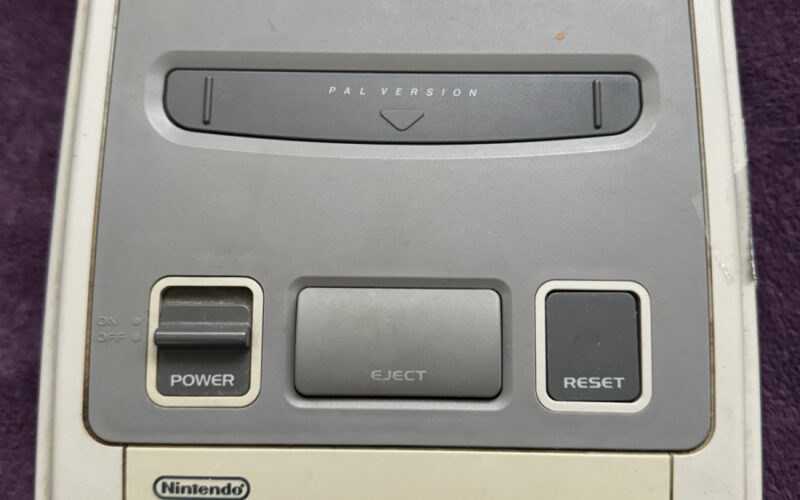
  • Super Nintendo Entertainment System (SNES): The 16-Bit Powerhouse

    Super Nintendo Entertainment System (SNES): The 16-Bit Powerhouse

    As Nintendo’s second home console, it built on the success of the NES, delivering superior graphics, sound, and gameplay experiences. With iconic games like Super Mario World, The Legend of Zelda: A Link to the Past, and Street Fighter II, the SNES became a beloved classic.

    Hardware Specifications

    Processor: 16-bit Ricoh 5A22 running at 3.58 MHz

    Graphics: Custom PPU with support for 32,768 colors, and advanced sprite capabilities

    Memory: 128 KB of RAM

    Storage: Cartridges (up to 4 MB)

    Audio: Sony SPC700 8-bit audio chip with 64 KB of audio RAM, providing 8-channel stereo sound

    Connectivity: Two controller ports

    Video Output: 256×224 to 512×448 resolution, supporting RGB output

    Original Release Date: 11th April 1992

    Discontinued: 23rd May 2005

    Cost (New in 1992): £150

    Cost (In 2024 Price): £350

    Modifications I have performed:

    General clean (still need to sort out yellowing)

    Cost to me for computer £92.00

    Cost to me for repairs and upgrades £0.00

    [ngg src=”galleries” ids=”8″ sortorder=”69,70,71,75,73,74,72″ display=”basic_thumbnail” thumbnail_crop=”0″]
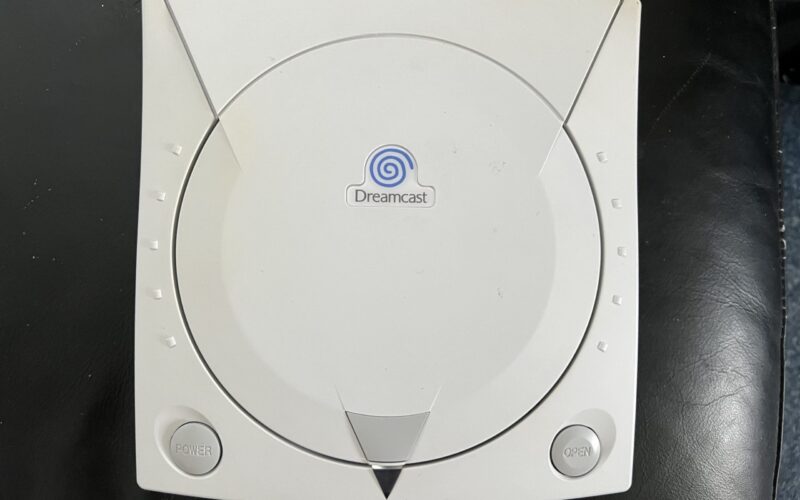
  • Sega Dreamcast: The Last Console of Sega’s Legacy

    Sega Dreamcast: The Last Console of Sega’s Legacy

    The Sega Dreamcast was Sega’s final console before exiting the hardware market. Despite its short lifespan, the Dreamcast is fondly remembered for pioneering features like online gaming and an impressive library of games, including Sonic Adventure, Shenmue, and Crazy Taxi, when the Dreamcast was discontinued it ended eighteen years of Sega in the console market place.

    Hardware Specifications

    Processor: 200 MHz Hitachi SH-4 RISC CPU

    Graphics: PowerVR2 GPU clocked at 100 MHz, capable of displaying 16.77 million colors and handling 3 million polygons per second

    Memory: 16 MB of RAM, 8 MB of VRAM, and 2 MB of audio RAM

    Storage: 1 GB GD-ROM discs

    Audio: Yamaha AICA 64-channel sound chip, providing high-quality 3D sound

    Connectivity: Built-in 56k modem for online play, four controller ports

    Video Output: Supports up to 480p resolution

    Original Release Date: 14th Oct 1999 (Europe)

    Discontinued: 31st March 2001 (Wordwide)

    Cost (New in 1999): £199.99, dropped to £149 in late 2000

    Cost (In 2024 Price): £375 (Initial release price)

    Modifications I have performed:

    None

    Cost to me for computer £70.00

    Cost to me for repairs and upgrades £0.00

    [ngg src=”galleries” ids=”1″ display=”basic_thumbnail” thumbnail_crop=”0″]
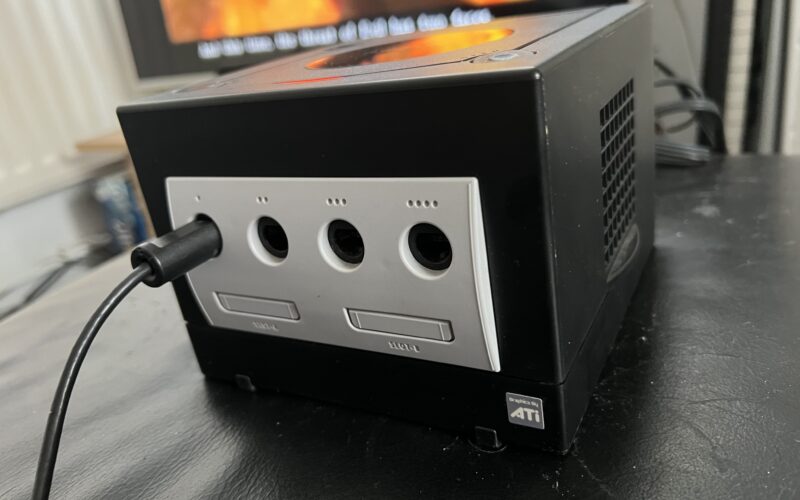
  • Nintendo GameCube: Nintendo’s Compact Powerhouse

    Nintendo GameCube: Nintendo’s Compact Powerhouse

    The Nintendo GameCube marked Nintendo’s leap into the sixth generation of consoles. Known for its compact design and durable mini-disc format, the GameCube became home to classic titles like Super Smash Bros. Melee, Metroid Prime, and The Legend of Zelda: The Wind Waker.

    Development was enabled by the 1997 formation of computer graphics company ArtX, of former SGI employees who had created the Nintendo 64, and which was later acquired by ATI to produce the GameCube’s GPU. In May 1999, Nintendo announced codename Dolphin, released in 2001 as the GameCube. It is Nintendo’s first console to use optical discs instead of ROM cartridges.

    Hardware Specifications

    Processor: IBM PowerPC Gekko 485 MHz

    Graphics: ATI Flipper GPU clocked at 162 MHz, capable of rendering up to 12 million polygons per second

    Memory: 24 MB of 1T-SRAM, 16 MB of DRAM

    Storage: 1.5 GB mini-DVD discs

    Audio: 16-bit DSP sound processor with 64 channels

    Connectivity: Two memory card slots, four controller ports, high-speed serial port for broadband connectivity

    Video Output: Up to 480p progressive scan resolution

    Original Release Date: 3rd May 2002 (Europe)

    Discontinued: 2007 (Wordwide)

    Cost (New in 1993): £129.99

    Cost (In 2024 Price): £235

    Modifications I have performed:

    None

    Cost to me for computer £60.00 (Including one game disc)

    Cost to me for repairs and upgrades £0.00

    [ngg src=”galleries” ids=”2″ display=”basic_thumbnail” thumbnail_crop=”0″]
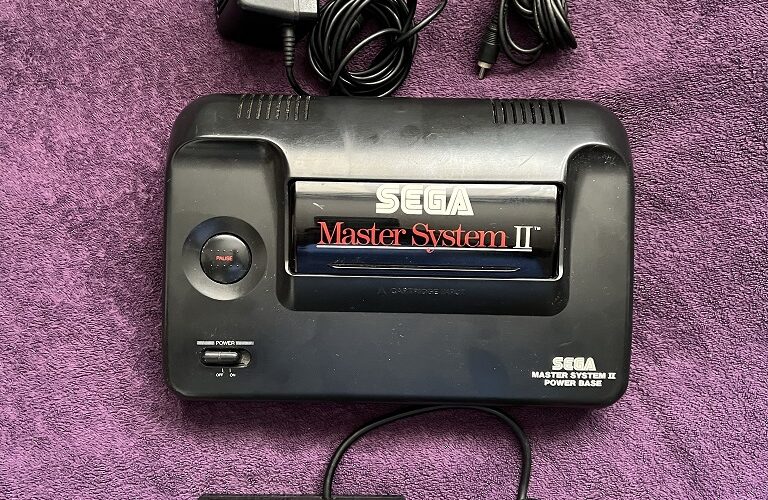
  • Sega Master System II: A Budget-Friendly Gaming Icon

    Sega Master System II: A Budget-Friendly Gaming Icon

    The Sega Master System II was a streamlined and more affordable version of the original Master System. Despite the competition from Nintendo, the Master System II gained popularity for its solid game library, which included classics like Alex Kidd in Miracle World and Sonic the Hedgehog.

    Hardware Specifications

    Processor: Zilog Z80A running at 3.58 MHz

    Graphics: VDP (Video Display Processor) capable of displaying 32 colors from a palette of 64, with a resolution of 256×192 pixels

    Memory: 8 KB of RAM, 16 KB of Video RAM

    Storage: Cartridge-based games (up to 512 KB)

    Audio: 4-channel PSG (Programmable Sound Generator)

    Connectivity: Two controller ports

    Video Output: RF output only, no AV or SCART connections in the standard version

    Original Release Date: 1990 (Europe)

    Discontinued: 1996 (Europe)

    Cost (New in 1990): £79.99

    Cost (In 2024 Price): £190

    Modifications I have performed:

    None

    Cost to me for computer £60.00 (Including three game carts)

    Cost to me for repairs and upgrades £0.00

    [ngg src=”galleries” ids=”3″ sortorder=”23,20,24,18,19,22,21″ display=”basic_thumbnail” thumbnail_crop=”0″]
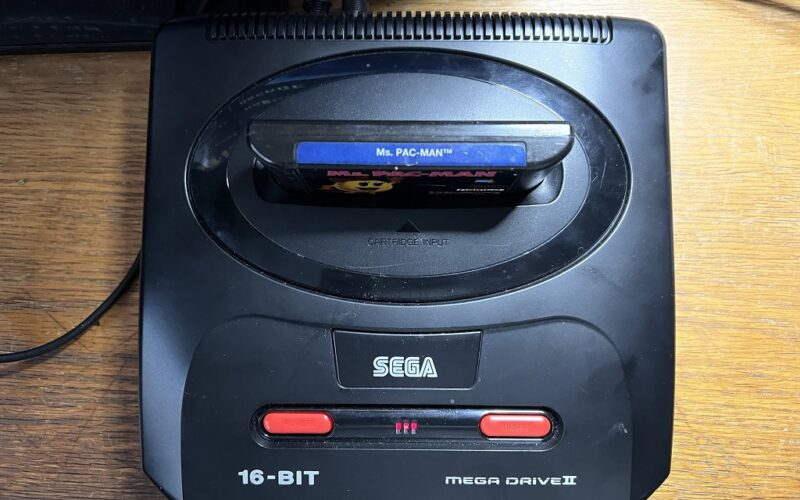
  • Sega Mega Drive II: The Sleeker, Streamlined 16-Bit Experience

    Sega Mega Drive II: The Sleeker, Streamlined 16-Bit Experience

    The Sega Mega Drive II was a redesigned version of Sega’s popular 16-bit console, the Mega Drive. With its slimmer form factor and updated look, the Mega Drive II became a household staple for many, offering unforgettable games like Sonic the Hedgehog 2, Streets of Rage 2, and Altered Beast.

    Hardware Specifications

    Processor: Motorola 68000 running at 7.61 MHz

    Graphics: 64 colors on-screen from a palette of 512, with a resolution of 320×224 pixels

    Memory: 64 KB of RAM, 64 KB of VRAM

    Storage: Cartridge-based games (up to 8 MB)

    Audio: Yamaha YM2612 6-channel FM sound chip, with additional PSG for sound effects

    Connectivity: Two controller ports, stereo audio output via headphone jack (removed from original Mega Drive)

    Video Output: RGB SCART, composite video, and RF

    Original Release Date: 1993 (PAL Regions)

    Discontinued: Unknown

    Cost (New in 1993): £129.99

    Cost (In 2024 Price): £250

    Modifications I have performed:

    None

    Cost to me for computer £40.00

    Cost to me for repairs and upgrades £0.00

    [ngg src=”galleries” ids=”4″ display=”basic_thumbnail” thumbnail_crop=”0″]
  • Sony PlayStation 2: The Best-Selling Console of All Time

    Sony PlayStation 2: The Best-Selling Console of All Time

    The PlayStation 2 (PS2) quickly became a dominant force in the gaming industry, offering a huge library of titles and DVD playback capabilities. With standout games like Grand Theft Auto: San Andreas, Final Fantasy X, and Metal Gear Solid 2, the PS2 earned its place as the best-selling console of all time.

    Hardware Specifications

    Processor: 294 MHz Emotion Engine (custom 128-bit CPU)

    Graphics: 147 MHz Graphics Synthesizer, capable of handling 66 million polygons per second

    Memory: 32 MB of RDRAM

    Storage: CD-ROM and DVD-ROM (4.7 GB)

    Audio: 48-channel ADPCM audio with 48 kHz sample rate

    Connectivity: Two controller ports, two memory card slots, USB ports, optional network adapter

    Video Output: Supports 480i and 480p resolution via component cable

    Original Release Date: 24th November 2000

    Discontinued: 4th January 2013

    Cost (New in 2000): £299.99

    Cost (In 2024 Price): £525

    Modifications I have performed:

    None.

    Cost to me for computer £20.00

    Cost to me for repairs and upgrades £0.00

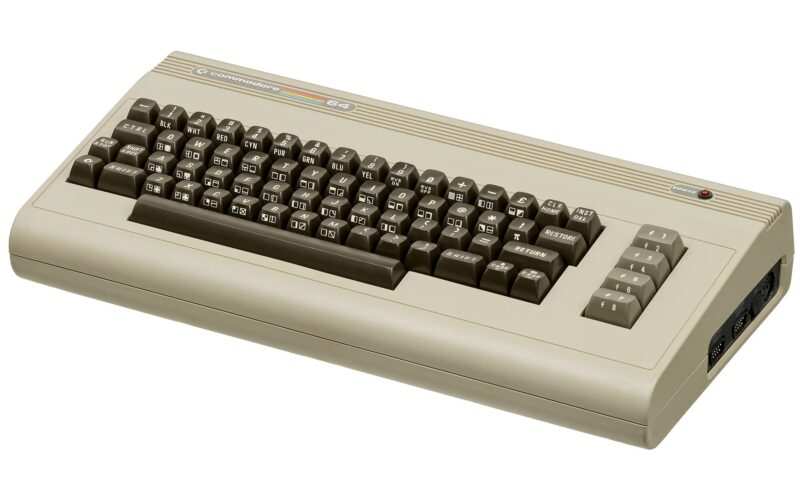
  • Commodore 64: The Home Computer That Defined a Generation

    Commodore 64: The Home Computer That Defined a Generation

    The Commodore 64 (C64), became one of the best-selling home computers of all time. Known for its versatility, affordability, and immense game library, the C64 had a massive impact on both gaming and computing in the 1980s. Iconic titles like The Last Ninja, Elite, and Maniac Mansion solidified its legacy.

    Hardware Specifications

    Processor: MOS Technology 6510 running at 1.023 MHz (PAL version)

    Graphics: VIC-II (Video Interface Chip) capable of displaying 16 colors with a resolution of 320×200 pixels and hardware sprite support

    Memory: 64 KB of RAM, with 20 KB usable for programs after system overhead

    Storage: Programs loaded via cassette tape (Datassette) or 5.25″ floppy disk (1541 Disk Drive)

    Audio: SID (Sound Interface Device) chip with 3-channel sound, capable of producing complex waveforms and effects

    Connectivity: User port, serial port, cassette port, and joystick ports

    Video Output: Composite and RF video output for connection to a TV or monitor

    Original Release Date: August 1982

    Discontinued: April 1994

    Cost (New in 1982): £399

    Cost (In 2024 Price): £1440

    Modifications I have performed:

    None

     
    Cost to me for computer £70 (got two working C64’s with some manuals and joysticks)

    Cost to me for repairs and upgrades £115.61 (Replacement PSU, AV Cable, Diagnostic cart and harness)

    [ngg src=”galleries” ids=”6″ display=”basic_thumbnail” thumbnail_crop=”0″]